Best Places to Visit in Italy in Summer (2026): Beat the Crowds
We've done Italy in summer more times than I care to count. Some trips were brilliant. Others? Let's just say standing in a 40-minute gelato queue in Florence whilst Leo repeatedly kicked the back of my knees wasn't our finest family moment.
Here's the thing about Italy in summer: everyone's got the same bloody idea. July and August turn the classic destinations into human conveyor belts. But Italy's enormous, and there are plenty of spectacular places where you won't spend half your holiday queuing or paying €8 for a bottle of water near the Colosseum.
After hitting Puglia every other summer and exploring some of Italy's lesser-known corners, we've figured out where to go when the temperatures spike and the tour buses multiply. This isn't about avoiding Italy in summer--it's about being smarter with where you point yourselves.
Why Summer Italy Needs Careful Planning
Let's be honest: Italy in July and August is mental. We're talking 35°C heat in the cities, beaches packed tighter than a Ryanair overhead bin, and accommodation prices that'll make you question whether that villa actually comes with solid gold taps.
The crowds aren't just annoying--they fundamentally change the experience. Venice in August isn't romantic; it's claustrophobic. The Amalfi Coast becomes a traffic jam with a view. We learned this the hard way when we tried to wing a week in Positano in late July. Spoiler: we spent more time sitting in traffic than actually looking at the stunning coastline.
But here's the good news: Italy's big enough that you can still find incredible experiences without the chaos. You just need to know where to look.
Puglia: Italy's Best-Kept Summer Secret
Right, I'm going to sound like a broken record here, but Puglia is absolutely brilliant for summer holidays. We've been four times now, and it keeps delivering.
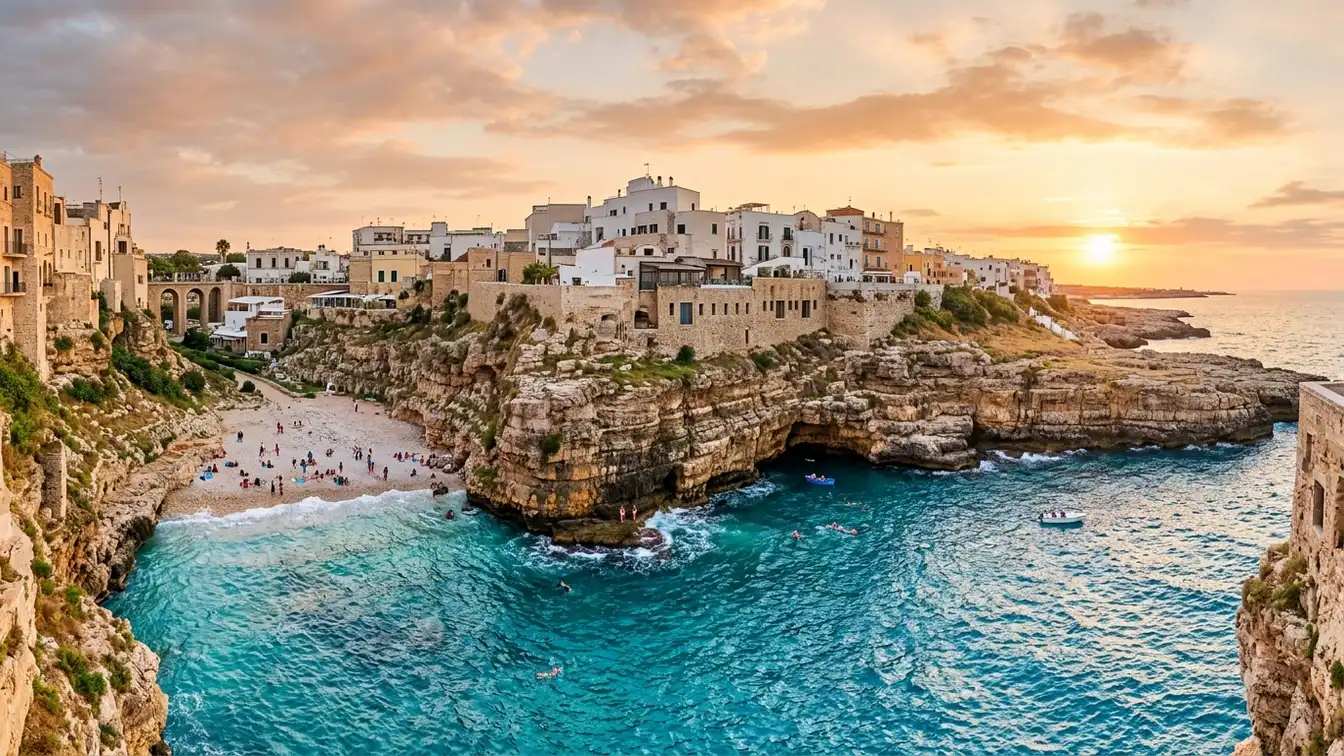
Polignano a Mare
This place is essentially what everyone thinks the Amalfi Coast will be like before they actually visit the Amalfi Coast. Whitewashed buildings perched on limestone cliffs, impossibly blue water, and--here's the crucial bit--you can actually move around without being stuck behind a tour group for half an hour.
The kids absolutely love jumping off the rocks into the sea (there are safe spots, don't worry). The old town's maze of narrow streets is perfect for evening wandering when things cool down. And the restaurants don't charge you a mortgage payment for a plate of pasta.
Pro tip: stay outside the historic centre. We rented an apartment in the newer area about a 10-minute walk away, paid half the price, and had air conditioning that actually worked.
Alberobello and the Trulli Houses
Isla called these "hobbit houses," which isn't entirely wrong. The trulli--traditional Apulian dry stone huts with conical roofs--look like something from a fairy tale. The town's genuinely unique, and whilst it gets tourists, it's nothing compared to the madness of Florence or Rome.
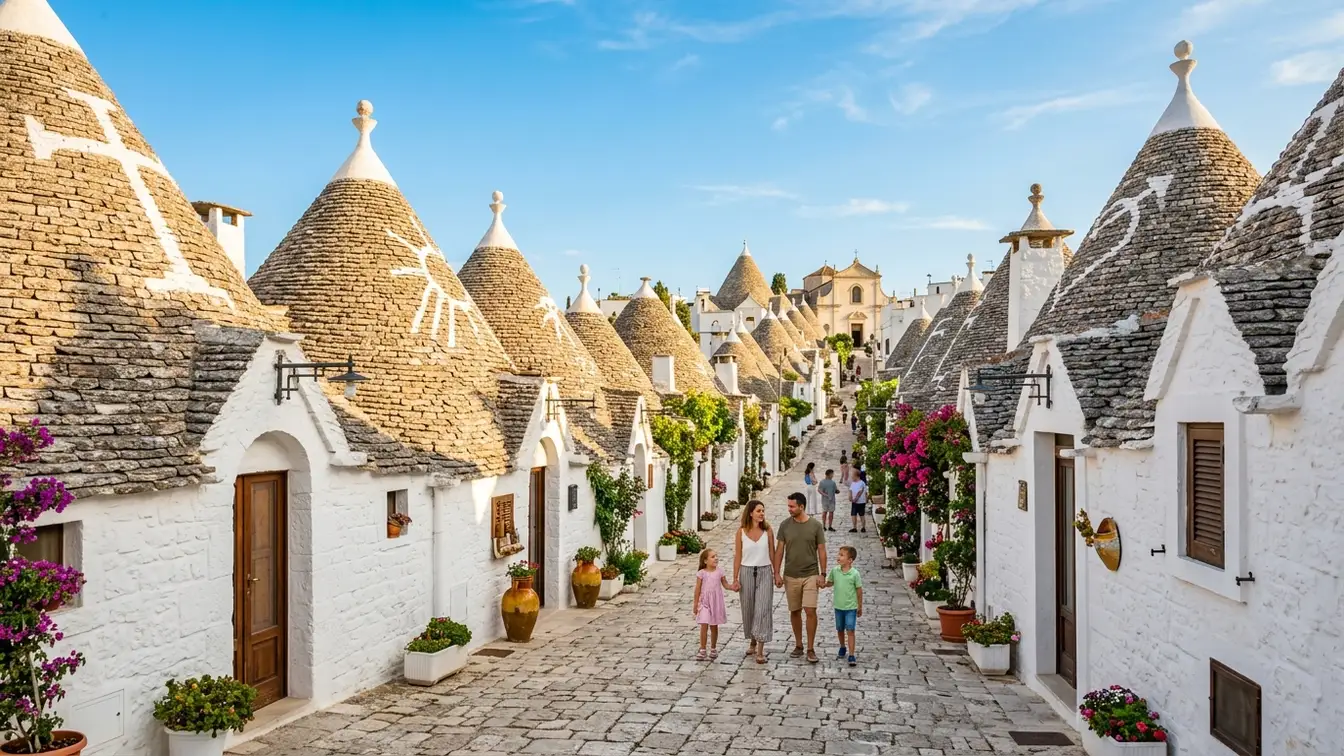
We spent a morning here, which was plenty. The kids enjoyed spotting the different symbols painted on the roofs (they're actually quite interesting from a historical perspective). Then we had lunch at a local restaurant where the nonna was still making orecchiette by hand in the front window.
Lecce: The Florence of the South
Lecce's baroque architecture rivals anything in the north, but with about a tenth of the tourists. The historic centre is compact enough to explore with kids without everyone having a meltdown. The gelato is cheaper. The restaurants are better value. And you can actually get a table for dinner without booking three weeks in advance.
We stayed in Lecce for three nights and used it as a base for day trips. Much more relaxing than constantly packing and unpacking, and the kids appreciated having a home base with a pool.
The Dolomites: Alpine Summer Without the Crowds
Okay, this one's completely different from beach holidays, but hear me out: the Dolomites in summer are absolutely spectacular, and the temperatures are infinitely more pleasant than roasting in a city.
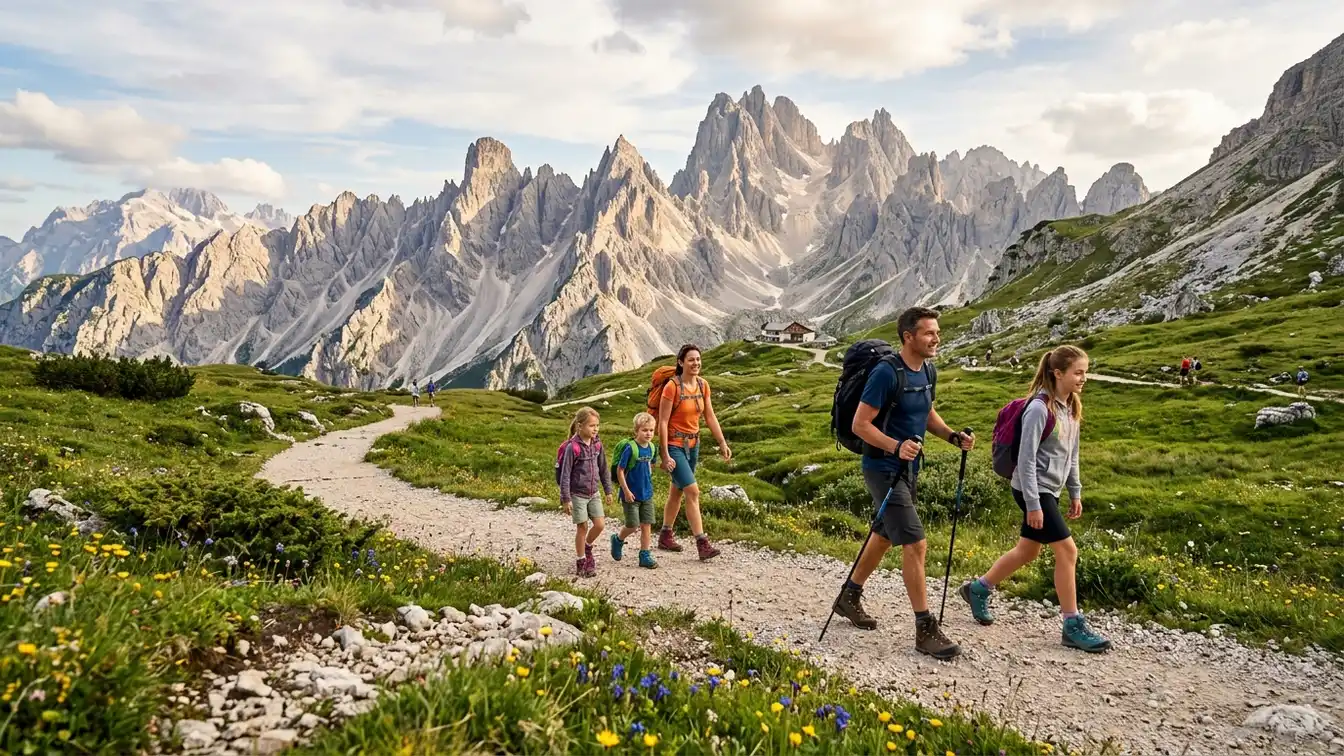
We did a week here last June, and it was brilliant. The hiking trails range from "Leo can manage this easily" to "Marcus is questioning his life choices," so there's something for everyone. The cable cars mean you can access serious mountain views without actually having to climb serious mountains.
The villages are gorgeous, the food's excellent (proper mountain food, not tourist tat), and there's loads for kids to do. We found parks with playgrounds, easy walks to mountain huts serving apple strudel, and even some adventure parks with zip lines.
Best bases: Ortisei, Cortina d'Ampezzo, or anywhere in Val Gardena. Book accommodation early though--Italians know the Dolomites are brilliant in summer, even if international tourists haven't quite caught on yet.
Sicily's Interior: Culture Without the Beach Crowds
Everyone goes to Sicily for the beaches, which means the interior's relatively quiet. And here's the bonus: it's actually cooler than the coast. Not cool, mind you--we're still talking mid-30s in summer--but those extra few degrees make a difference.
Agrigento and the Valley of the Temples
The Greek temples here are genuinely impressive--Leo said they're "even better than the boring ones in books," which I'm taking as high praise from a nine-year-old.
Go early morning or late afternoon. We made the mistake of visiting at 2pm in July, and I've never seen Sophie that angry at me. The site's exposed with minimal shade, and midday summer sun is brutal. But at 8am when it opens? Absolutely magical, barely anyone there, and you can actually appreciate what you're looking at.
Ragusa: Baroque Beauty
Split into upper and lower towns, Ragusa's a proper Sicilian gem. The baroque architecture's stunning, the narrow streets provide natural shade (crucial in summer), and there are plenty of excellent restaurants.
We spent two nights here, which was perfect. Long enough to explore properly but not so long that the kids got bored. The walk between the old and new towns is steep but manageable, and there's a park halfway where you can bribe children with gelato to keep moving.
Northern Lakes: Como's Quieter Cousins
Lake Como's beautiful, obviously. It's also absolutely rammed in summer, and prices reflect its celebrity status. But northern Italy has other lakes that are equally stunning and significantly less crowded.
Lake Orta
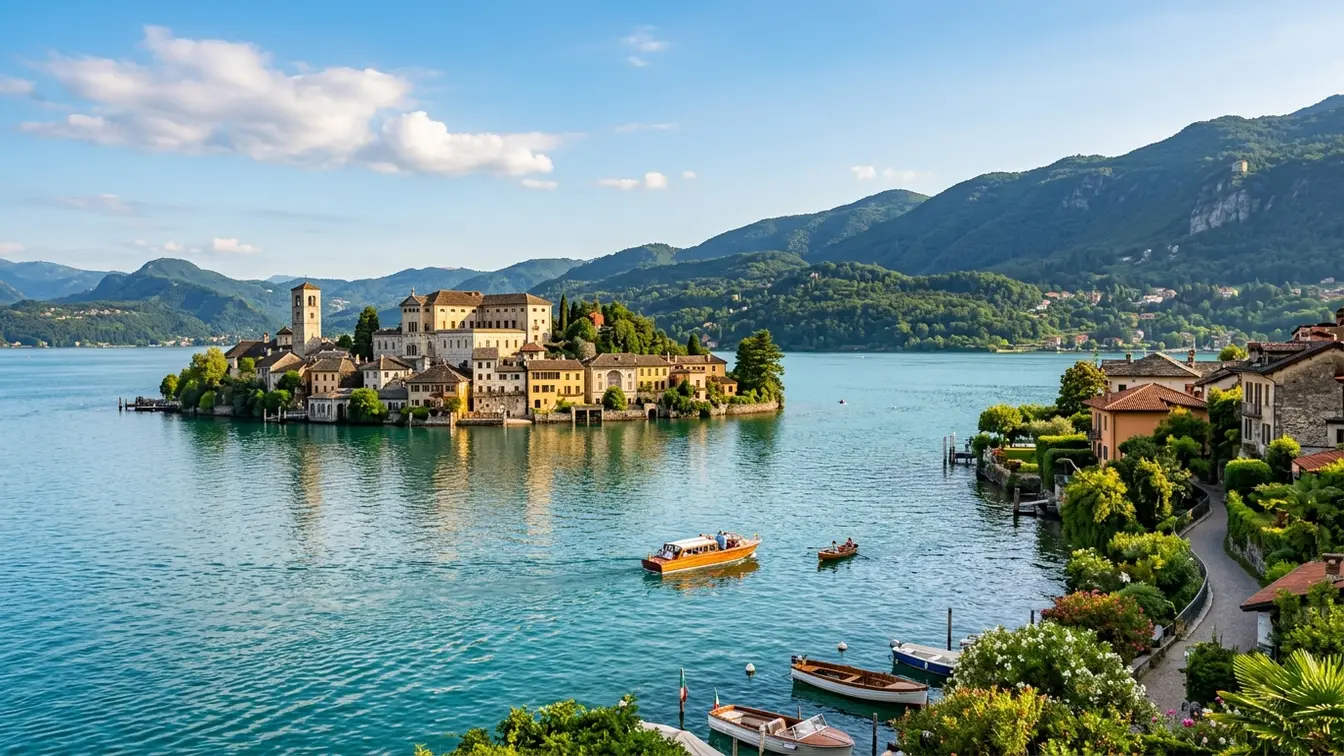
Smaller and quieter than Como, Lake Orta has the same dramatic mountain backdrop but without the day-trippers from Milan clogging everything up. The town of Orta San Giulio is genuinely lovely--narrow cobbled streets, lakeside restaurants, and a tiny island with a monastery you can visit by boat.
We spent three nights here between mountain and beach portions of a longer trip. Perfect for unwinding, the kids loved the boat rides, and the swimming was excellent. Plus, proper Italian restaurants where locals actually eat, not just tourist-trap places charging premium prices for mediocre food.
Lake Iseo
Even less touristy than Orta, Iseo's got a proper local feel. There's a massive island in the middle (Monte Isola) that you can explore, no cars allowed. The kids thought it was brilliant--cycling around, stopping for focaccia, swimming off quiet beaches.
The surrounding towns are working Italian communities, not resort destinations. Which means better value, better food, and a more authentic experience. Just don't expect English menus everywhere.
Cinque Terre: Timing Is Everything
Right, I'm not telling you to avoid Cinque Terre completely. It's genuinely spectacular. But if you're going in summer, you need to be strategic.
July and August? Absolute nightmare. The trains are packed, the hiking trails are overcrowded, and the villages are so full you're basically queuing to exist.
June or early September? Completely different experience. We went in early June, and whilst it was busy, it was manageable. The coastal hiking trail between villages was stunning, the kids managed the easier sections without too much complaining, and we could actually get tables at restaurants.
Stay in La Spezia rather than the villages themselves. Much cheaper, easier logistics with kids, and you're only a 10-minute train ride from the action. We found a proper apartment with a kitchen, which saved us a fortune on meals.
Places to Avoid in Peak Summer
Look, I'm not saying these places aren't worth visiting. But in July and August? You're signing up for crowds that fundamentally change the experience.
Venice
Summer Venice is essentially Disneyland without the rides. Cruise ships disgorge thousands of day-trippers, the narrow streets become gridlocked, and the heat reflecting off the canals is oppressive. We did Venice in August once. Once.
If you must go in summer, stay overnight so you can experience early morning and evening when the day-trippers leave. Or better yet, visit in spring or autumn.
The Amalfi Coast (Without Serious Planning)
The Amalfi Coast in summer is stunning but challenging. The coast road becomes a traffic jam of coaches and hire cars. Towns like Positano are overcrowded. Parking's impossible. And prices are astronomical.
If you're determined to go, you need to book everything months in advance, plan your transportation carefully (seriously, research this), and accept that spontaneity isn't happening. Or just go to Puglia instead where you get similar coastal beauty without the logistical nightmare.
Florence and Rome in July/August
Both cities in peak summer are punishingly hot and crowded. Queue times for major attractions are brutal. The historic centres become outdoor ovens.
If your schedule forces peak summer timing, book everything in advance, plan indoor activities for the hottest parts of the day, and stay somewhere with proper air conditioning. And maybe reconsider your life choices.
Practical Tips for Summer Italy
Book accommodation with air conditioning. This isn't optional. We've made the mistake of "oh, it's got a fan" before. Never again. Sophie almost murdered me.
Avoid driving where possible. Italian summer traffic is special. And not in a good way. Trains work brilliantly for most routes, and you don't have to deal with parking.
Plan indoor activities for 1-4pm. Museums, churches, air-conditioned restaurants. This is siesta time for a reason. Even the locals aren't outside unless absolutely necessary.
Book restaurants for dinner. Even in less touristy places, summer demand means popular spots fill up. We use TheFork for reservations--works brilliantly in Italy.
June or September over July/August. If your schedule has any flexibility at all, shoulder season is infinitely better. Still warm enough for beaches, but crowds are significantly lighter and prices drop.
Our Final Thoughts
Italy in summer absolutely works--you just need to be smarter about where you go. Puglia remains our favourite for combining beaches, culture, food, and reasonable crowds. The Dolomites are brilliant if you want mountains and cooler temperatures. Sicily's interior offers culture without the coastal chaos.
The classic destinations like Venice, Florence, and the Amalfi Coast? They're classic for good reasons, but peak summer isn't when you should visit them unless you've got everything meticulously planned and you're comfortable with serious crowds.
We're heading back to Puglia this coming summer--probably our fifth trip there, and the kids are already excited. That should tell you something.
For more Italy planning, check out our guide to the best places to visit in Italy in summer, or if you're looking at other Mediterranean options, our Corsica vs Sardinia comparison might be useful.
More from 2 Idiots Travel